2026-06-01
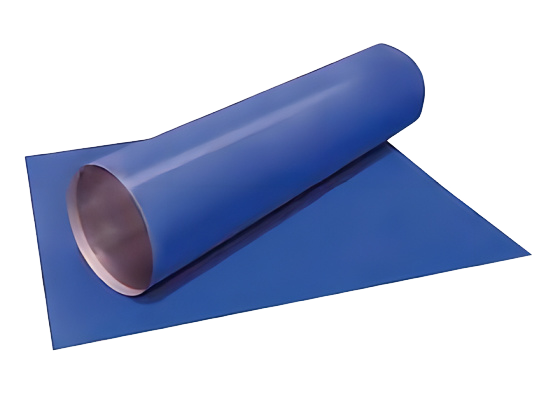
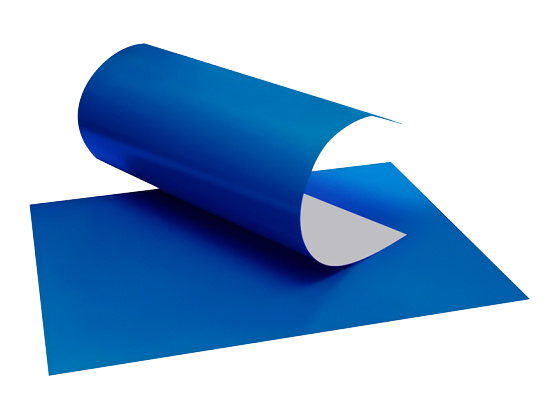
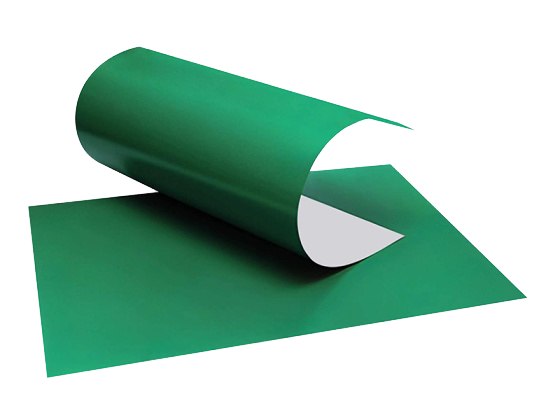
ที่ printing plate ทำหน้าที่เป็นสื่อการถ่ายโอนระดับกลางที่ถ่ายโอนหมึกไปยังวัสดุฐานในกระบวนการพิมพ์ดิจิทัลแบบธรรมดาและบางส่วนทั้งหมด more than 70% of finished printing defects in actual production trace back to improper plate making, storage or mounting of printing plates . All technological upgrades revolving around traditional printing focus on optimizing plate material property and processing craft, and selecting matched printing plate according to printing material, batch volume and ink attribute becomes the primary principle to stabilize printing yield. เพลตประเภทต่างๆ จะสอดคล้องกับโหมดการพิมพ์ที่แตกต่างกัน และการจับคู่ที่ไม่สมเหตุสมผลจะทำให้เกิดการสิ้นเปลืองวัตถุดิบและวงจรการผลิตที่ยืดเยื้อ ตั้งแต่การพิมพ์ฉลากแบบกำหนดเองในปริมาณน้อยไปจนถึงการพิมพ์ตามกำหนดเวลาเชิงพาณิชย์ในปริมาณมาก ประสิทธิภาพของแผ่นพิมพ์จะจำกัดการควบคุมต้นทุนการผลิตและความสม่ำเสมอของผลิตภัณฑ์สำเร็จรูปโดยตรง
ที่ mainstream classification standard of printing plate in the industry is divided according to surface image distribution and substrate composition, which can effectively guide factory procurement and process configuration. Based on image layout, plates fall into planographic, relief, intaglio and porous types, each owns exclusive structural features and downstream application ranges. Raw material difference further subdivides each category into multiple derivative plate products, and the table below sorts out core feature contrast of four mainstream printing plate categories:
| หมวดจาน | Image Distribution Feature | ฟิลด์แอปพลิเคชันทั่วไป |
|---|---|---|
| แผ่นพิมพ์พลาโนกราฟิก | พื้นที่ว่างและพื้นที่รูปภาพอยู่บนระนาบเดียวกัน | Magazine, color packaging paper |
| Relief Printing Plate | ส่วนของรูปภาพยื่นออกมาเหนือพื้นผิวว่าง | Small sticker, kraft paper printing |
| แผ่นพิมพ์ลายแกะ | ส่วนของรูปภาพจมอยู่ใต้พื้นผิวว่าง | High-end plastic film packaging |
| แผ่นพิมพ์ที่มีรูพรุน | Image area forms penetrating tiny holes | Fabric printing, circuit board marking |
Planographic plate dominates over half of global commercial printing consumption, with aluminum as the most common base material. Its core working logic relies on the physical property that image area absorbs printing ink while blank area repels ink via water dampening. ในโรงงานพิมพ์หนังสือพิมพ์รายวัน แผ่นพิมพ์ประเภทนี้สามารถทำงานพิมพ์แผ่นได้นับหมื่นอย่างต่อเนื่องภายใต้พารามิเตอร์อุปกรณ์ที่มีความเสถียร แผ่นพลาโนกราฟีที่ใช้อะลูมิเนียมที่ผ่านการรับรอง สามารถรองรับงานพิมพ์ที่มีประสิทธิภาพได้ 80,000 ถึง 120,000 แผ่น โดยไม่สูญเสียภาพอย่างเห็นได้ชัด . ด้วยเทคโนโลยีการทำเพลทแบบดิจิทัลที่ได้รับความนิยม การทำเพลทสัมผัสสารเคมีแบบดั้งเดิมจะค่อยๆ ถูกแทนที่ด้วยการประมวลผลการเปิดรับแสงเลเซอร์โดยตรง ช่วยลดการปล่อยของเหลวเสียระหว่างการผลิตเพลท และลดระยะเวลาการเตรียมก่อนพิมพ์ให้สั้นลง
นอกเหนือจากประเภทพื้นฐานสี่ประเภทแล้ว แผ่นพิมพ์แบบกำหนดเองยังมุ่งเป้าไปที่เงื่อนไขการพิมพ์พิเศษ เช่น การอัดขึ้นรูปที่อุณหภูมิสูง และการพิมพ์วัสดุพิมพ์ที่บางเป็นพิเศษ แผ่นนูนที่ใช้ยางยืดหยุ่นได้รับการปรับแต่งสำหรับการพิมพ์บรรจุภัณฑ์ที่มีความยืดหยุ่นสำหรับอาหาร ซึ่งสามารถใส่ลูกกลิ้งพิมพ์โค้งไม่เท่ากัน และหลีกเลี่ยงการแตกร้าวระหว่างการทำงานทางกลความเร็วสูง แผ่นแกะสลักเคลือบเซรามิกได้รับการพัฒนาสำหรับสถานการณ์การพิมพ์ในระยะยาวที่ป้องกันการเสียดสี ปรับปรุงวงจรการบริการโดยรวมเมื่อเทียบกับแผ่นแกะสลักโลหะทั่วไป
ที่ whole production of printing plate divides into raw material pretreatment, image exposure development, surface post-treatment three core phases, every procedure parameter fluctuation will change final plate usability. Modern standardized plate-making workshops strictly control ambient temperature and dust concentration to reduce plate surface flaw rate, and the ordered steps of conventional plate production are listed below:
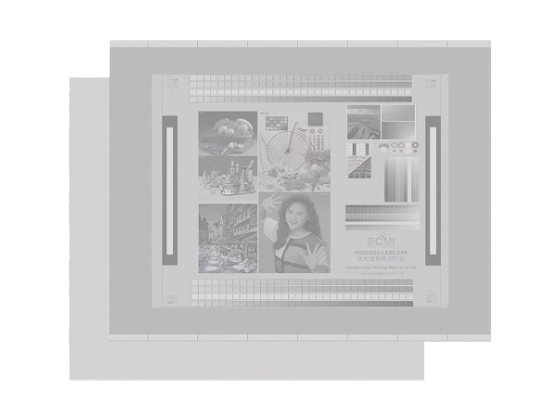
การทำเพลทแบบดั้งเดิมจำเป็นต้องมีการถ่ายโอนฟิล์มระดับกลางก่อนที่จะสัมผัส ในขณะที่เทคโนโลยีการทำเพลทโดยตรงแบบ CTP สมัยใหม่จะยกเลิกการเชื่อมโยงการผลิตฟิล์ม โดยแปลงไฟล์การพิมพ์อิเล็กทรอนิกส์เป็นกราฟิกโดยตรงบนเพลทพิมพ์ผ่านการสแกนด้วยเลเซอร์ สถิติจากข้อมูลการวิจัยอุตสาหกรรมการพิมพ์แสดงให้เห็นว่าการผลิตเพลทโดยตรงแบบดิจิทัลสามารถลดเวลาการเตรียมก่อนการพิมพ์ได้ประมาณ 30% เมื่อเทียบกับงานฝีมือแบบเก่า ในขณะเดียวกันก็ลดสัดส่วนเพลทที่มีข้อบกพร่องที่เกิดจากรอยขีดข่วนของฟิล์มและความเบี่ยงเบนของตำแหน่ง วิวัฒนาการทางเทคโนโลยีนี้ยังช่วยลดเกณฑ์สำหรับโรงงานการพิมพ์ขนาดกลางและขนาดเล็กในการเปิดธุรกิจการพิมพ์สีที่มีความแม่นยำสูง
Many external factors including mounting operation, ink property, equipment pressure and daily storage environment jointly affect the actual service life of printing plate, improper operation is the top cause of premature plate scrapping in printing workshops. Mastering influencing factors can help production staff adjust craft parameters reasonably to extend plate service cycle and reduce comprehensive printing cost.
Excessive roller pressing force will cause partial abrasion on plate image area, while insufficient pressure leads to incomplete ink transfer and blurred printed graphics. ในการพิมพ์ความเร็วสูงอย่างต่อเนื่อง อนุภาคแปลกปลอมที่ผิดปกติระหว่างแผ่นพิมพ์และลูกกลิ้งส่งกระดาษจะทำให้พื้นผิวแผ่นเกิดรอยขีดข่วนเพื่อสร้างข้อบกพร่องว่างเปล่าคงที่บนผลิตภัณฑ์ที่พิมพ์ออกมาทั้งหมด ผู้ปฏิบัติงานจำเป็นต้องทำความสะอาดสิ่งเจือปนบนผิวลูกกลิ้งอย่างสม่ำเสมอ และปรับเทียบระยะการกดก่อนเริ่มการผลิตเป็นชุด
แผ่นพิมพ์สำเร็จรูปที่ไม่ได้ใช้จะต้องเก็บไว้ในพื้นที่จัดเก็บที่แห้ง เย็น และมืด การเปิดรับแสงเป็นเวลานานภายใต้แสงจ้าจะกระตุ้นให้เกิดการเปลี่ยนแปลงทางเคมีของชั้นแสงที่ไวต่อแสงของพื้นผิว และกราฟิกเพลทที่ล้มเหลว ผู้ปฏิบัติงานใช้น้ำยาทำความสะอาดโดยเฉพาะที่เป็นกลางเพื่อเช็ดหมึกที่ตกค้างหลังจากเสร็จสิ้นงานพิมพ์ในแต่ละวัน หลีกเลี่ยงโครงสร้างพื้นผิวแผ่นที่กัดกร่อนด้วยผงซักฟอกที่เป็นด่างหรือกรดสูง Below lists forbidden behaviors in daily plate maintenance:
With stricter environmental protection regulations for printing industry globally, environment-friendly and low-pollution printing plate gradually replace traditional products containing harmful chemical components, becoming mainstream development direction of plate manufacturing industry. ทิศทางการวิจัยหลักมุ่งเน้นไปที่วัสดุฐานที่ย่อยสลายได้และการเคลือบไวแสงที่ปราศจากตัวทำละลาย แผ่นพิมพ์ที่ย่อยสลายได้ทางชีวภาพที่ทำจากวัสดุคอมโพสิตเส้นใยพืชสามารถย่อยสลายตามธรรมชาติได้หลังจากการทิ้งโดยไม่ก่อให้เกิดมลพิษในดินและแหล่งน้ำ , which gets wide promotion in food packaging printing field with strict environmental access standard.
Conventional offset printing plate needs continuous watering during printing to separate ink-water balance, consuming large amount of industrial water and producing wastewater mixed with chemical additives. แผ่นพิมพ์ไร้น้ำแบบใหม่เปลี่ยนองค์ประกอบของวัสดุพื้นผิวโดยละทิ้งการเชื่อมต่อการกำหนดค่าน้ำที่ดูดซับโดยสิ้นเชิง ซึ่งช่วยลดการปล่อยน้ำเสียในโรงพิมพ์ได้อย่างมีประสิทธิภาพ แม้ว่าต้นทุนการจัดซื้อเริ่มแรกของเพลตดังกล่าวจะสูงกว่าผลิตภัณฑ์ทั่วไปเล็กน้อย แต่ต้นทุนที่ครอบคลุมลดลงอย่างเห็นได้ชัดเมื่อคำนวณค่าใช้จ่ายในการบำบัดน้ำและการกำจัดน้ำเสียในการผลิตจำนวนมากในระยะยาว
Intelligent high-speed printing machines popularized in modern factories put forward higher requirement on printing plate thickness and weight, ultra-thin composite base printing plate can fit high-speed roller rotation without plate deformation or loosening during operation. ผลิตภัณฑ์แผ่นวัสดุใหม่ที่เกี่ยวข้องจะรักษาอัตราการเปลี่ยนแปลงขนาดให้คงที่ภายใต้การอัดขึ้นรูปเชิงกลความถี่สูงอย่างต่อเนื่อง ซึ่งตรงกับจังหวะการผลิตของเวิร์คช็อปการพิมพ์แบบอัตโนมัติไร้คนขับ และส่งเสริมการอัปเกรดประสิทธิภาพการผลิตโดยรวมของอุตสาหกรรมการพิมพ์
ติดต่อเรา
เก็บ ติดต่อกัน

รหัส QR มือถือ
สินค้า
ข้อมูลติดต่อ
No.77, Shengtai Road, Hailing District, Taizhou City, Jiangsu
+86 13961040488+86 19852223565
+86 523 86969522
ลิขสิทธิ์ © โดย JIANGSU LECAI Printing Materials Co. , Ltd. สงวนลิขสิทธิ์.ผู้ผลิตแผ่นพิมพ์ชดเชยดิจิตอลแบบกำหนดเอง